No products in the cart.
Blog
Amazon Pallets vs Truckloads: Which Fits Your Business?
19
Oct
Oct
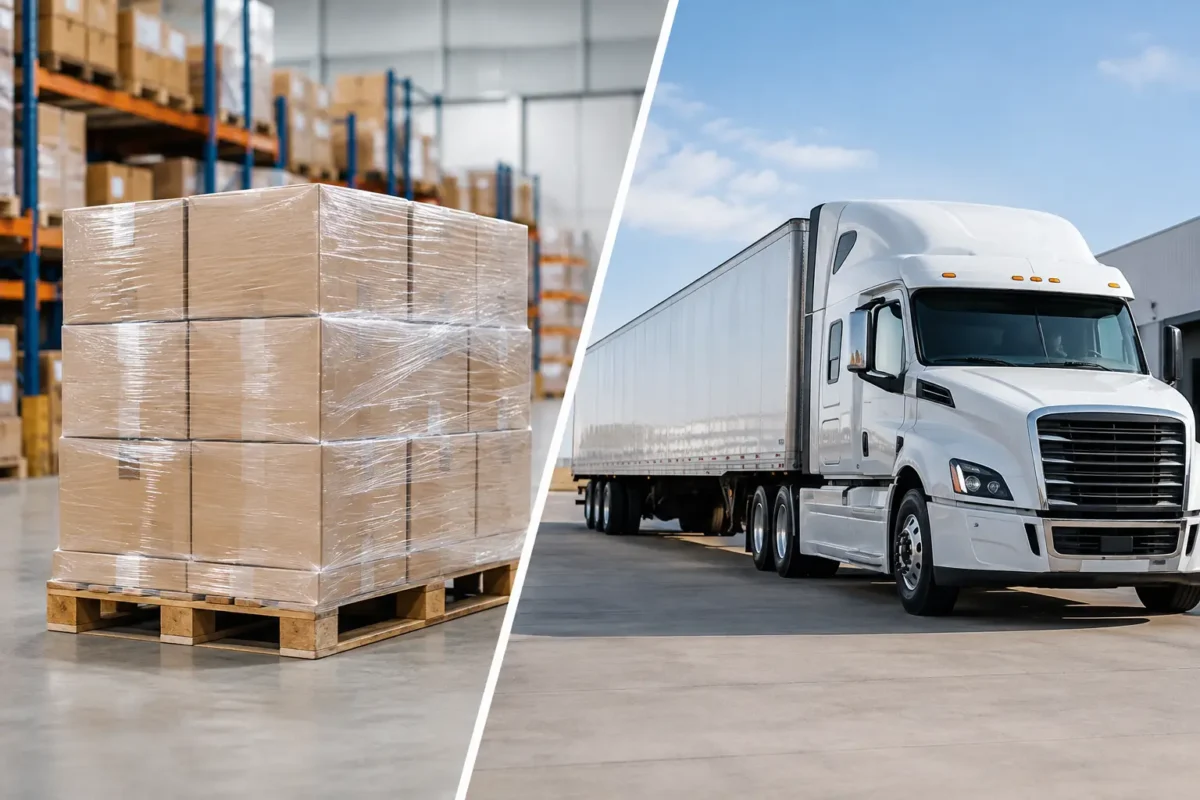
A single pallet can help you test a category, fill a booth, or stock an online store without tying up too much cash. A full load can transform your cost per unit and give a discount retailer enough inventory to stay open and stocked. That is the practical difference behind amazon pallets vs truckloads: the right choice depends less on what sounds bigger and more on your selling capacity, storage space, cash flow, and ability to move merchandise.
For resellers, liquidation is not simply about buying inventory below retail. It is about buying an amount of inventory you can process, price, and sell profitably. Both pallets and truckloads can create strong margin opportunities, but they place very different demands on your operation.
Amazon Pallets vs Truckloads: The Core Difference
Amazon liquidation pallets are smaller wholesale lots that may include customer returns, overstock, shelf pulls, or mixed merchandise. A pallet may focus on one category, such as tools, small appliances, apparel, or electronics, or contain a broad mix of products. It is a practical entry point for buyers who want inventory variety without committing to a large purchase.
A truckload is a much larger liquidation purchase, usually made up of multiple pallets. The exact pallet count, category mix, condition, and load type can vary, but the central idea is simple: you are purchasing inventory at scale. Full truckloads are often a better fit for established resellers, discount stores, exporters, flea market operators, and buyers with warehouse space and dependable sales channels.
The lowest price per unit does not automatically mean the highest profit. A truckload can offer deeper buying power, but only if you can receive it, sort it, and turn it into sales before carrying costs eat into your margin.
When Amazon Pallets Make More Business Sense
Pallet buying gives you control. You can purchase inventory in manageable quantities, learn how a particular category performs, and avoid putting your entire inventory budget into one load. This matters for new resellers and smaller businesses that are still finding their best-selling channels.
For example, a seller who primarily lists products on online marketplaces may prefer pallets because each purchase can be sorted and listed within a reasonable time. A small discount store may use pallets to refresh merchandise weekly, test seasonal products, or add categories without overcrowding the sales floor.
Pallets are also useful when you need category flexibility. You might purchase a tool pallet for a hardware-oriented customer base, then add cosmetics, kitchenware, shoes, or seasonal goods based on what sells in your area. This allows you to adjust purchasing based on actual demand rather than guessing months in advance.
The trade-off is that pallet-level pricing is generally higher per unit than truckload pricing. Freight also has more impact on the landed cost when you are moving only one or a few pallets. Before buying, calculate the total cost of the merchandise, freight, unloading, storage, labor, and expected recovery value. A pallet that looks inexpensive can become less attractive if shipping is a large share of the purchase price.
When a Truckload Is the Better Opportunity
Truckloads are built for volume. If you already operate a discount store, bin store, warehouse outlet, auction business, wholesale operation, or high-volume online resale team, buying a truckload can create a more consistent inventory pipeline. Instead of constantly searching for a few pallets, you can bring in enough merchandise to support larger sales goals.
The biggest advantage is usually unit economics. When inventory and freight are spread across a larger volume, the cost per item can be much lower. That can give a serious reseller more room to price competitively, run promotions, sell to other buyers, or accept lower margins on fast-moving merchandise while keeping the overall load profitable.
Truckloads can also make sense for buyers serving more than one outlet. A retailer with multiple stores, a seller supplying flea market vendors, or an online business with a warehouse team can divide a load by category and route inventory where it will sell best. This is where scale becomes a business advantage rather than just a bigger delivery.
However, a truckload requires operational readiness. You need space to receive and sort inventory, equipment or labor to unload it, and a plan for merchandise that does not fit your primary sales channel. Mixed loads may include high-demand products alongside lower-value items, incomplete items, unsellable returns, or merchandise that takes longer to move. Buyers who treat every item as guaranteed retail-ready inventory can get disappointed quickly.
Compare the Costs Beyond the Purchase Price
The right comparison is not pallet price versus truckload price. It is your landed cost and recovery plan for each option.
With a pallet, your cost is easier to control because the initial commitment is smaller. You may pay more per unit, but you can preserve cash for freight, supplies, marketplace fees, and your next inventory buy. That can be valuable when your operation is new or your sales cycle is still unpredictable.
With a truckload, the purchase price may deliver a stronger per-unit value, yet the upfront investment is larger. Freight is quote-driven and depends on destination, load size, carrier availability, delivery access, and whether a liftgate or appointment is needed. Receiving a full load may also require a commercial address, dock access, forklift support, or additional unloading arrangements.
Do not ignore processing costs. Every item needs some level of handling: unloading, sorting, testing, cleaning, photographing, listing, pricing, shelving, or bundling. If your business does not have the labor to process a load quickly, inventory can sit. Slow inventory ties up cash and takes up space that could hold faster-selling merchandise.
Condition and Manifest Expectations Matter
Amazon-related liquidation inventory is commonly sold as returns, overstock, shelf pulls, or mixed-condition merchandise. Those descriptions matter. Overstock may offer a higher percentage of new or retail-ready goods, while customer return inventory can include items that are open-box, damaged, incomplete, functional but used, or unsellable.
A manifest can provide useful detail, especially when it lists product descriptions, quantities, retail values, and categories. But a manifest is not a guarantee of exact resale value or item condition. It should be used as a buying tool, not as a promise of profit. Unmanifested or mixed pallets may offer opportunity as well, but buyers should price in more uncertainty.
The same principle applies to truckloads. A larger load does not remove risk. It multiplies your exposure if you purchase without understanding the condition class, category mix, and likely sales channels. Ask direct questions about the lot type, manifest availability, pallet count, freight process, and what is included in the quoted price.
Match Your Purchase to Your Sales Channel
Your best buying format depends on how you sell. Online sellers often do well with pallets containing manageable quantities of branded, shippable products they can inspect and list individually. Local storefronts may benefit from mixed merchandise that keeps shelves fresh and gives customers a treasure-hunt shopping experience.
Bin stores and discount outlets can use truckloads effectively when they have steady foot traffic and a system for rotating merchandise. Wholesale buyers may also benefit from truckloads if they can break inventory into smaller lots and resell to local entrepreneurs. In each case, the inventory format must fit the business model.
A useful question is not, “Can I afford this truckload?” It is, “How fast can I turn this truckload into cash?” If the answer depends on hoping for more customers, a smaller purchase may be the safer move. If you have proven demand, storage, staff, and repeat buying channels, volume can improve your margins.
Start Small, Scale With Data
Many successful buyers begin with pallets, track their results, and move into larger purchases when their process is ready. Keep records on landed cost, sell-through rate, average selling price, return rate, labor time, and the categories that consistently perform for your customers. Those numbers will tell you when a truckload is a smart expansion rather than an expensive gamble.
American Prime Pallet Liquidators LLC works with buyers who need both manageable pallet options and larger liquidation opportunities, with quote-based freight support to help plan the real cost of delivery. The goal is not to push every buyer into the largest order. It is to source inventory that supports the next profitable stage of your resale operation.
Buy the volume your business can process with discipline, not the volume that simply looks like the best deal. When your receiving, sorting, and sales systems are ready, a larger load can become the inventory engine that keeps your business moving.
