No products in the cart.
Blog
Best Cosmetics Pallets for Resale Profits
17
Oct
Oct
A cosmetics pallet can look like a fast path to high-margin inventory: recognizable makeup brands, compact shipping, repeat buyers, and products that photograph well online. But the best cosmetics pallets are not simply the ones with the lowest sticker price or the longest brand list. They are the loads whose condition, assortment, expiration exposure, and freight cost give your business a realistic path to sell-through.
For resellers, cosmetics liquidation is a category where disciplined buying matters. A mixed pallet may contain profitable shelf pulls, overstock, and customer returns in the same load. The opportunity is real, but so is the need to inspect the details before you commit capital.
What Makes the Best Cosmetics Pallets Worth Buying?
A profitable cosmetics pallet starts with inventory you can legally and confidently resell. Sealed, current, clearly labeled products generally move faster and bring better prices than opened, damaged, or heavily marked merchandise. Brand recognition helps, but it does not replace condition verification.
The strongest lots usually have a clear description of merchandise type, estimated unit count or retail value, condition category, and whether a manifest is available. A manifest will not guarantee every unit, especially with mixed liquidation, but it gives you a working view of brands, SKUs, quantities, and retail pricing. That information helps you decide where the goods fit: a discount store, flea market booth, salon-adjacent shop, live sale, online marketplace, or bundled beauty box.
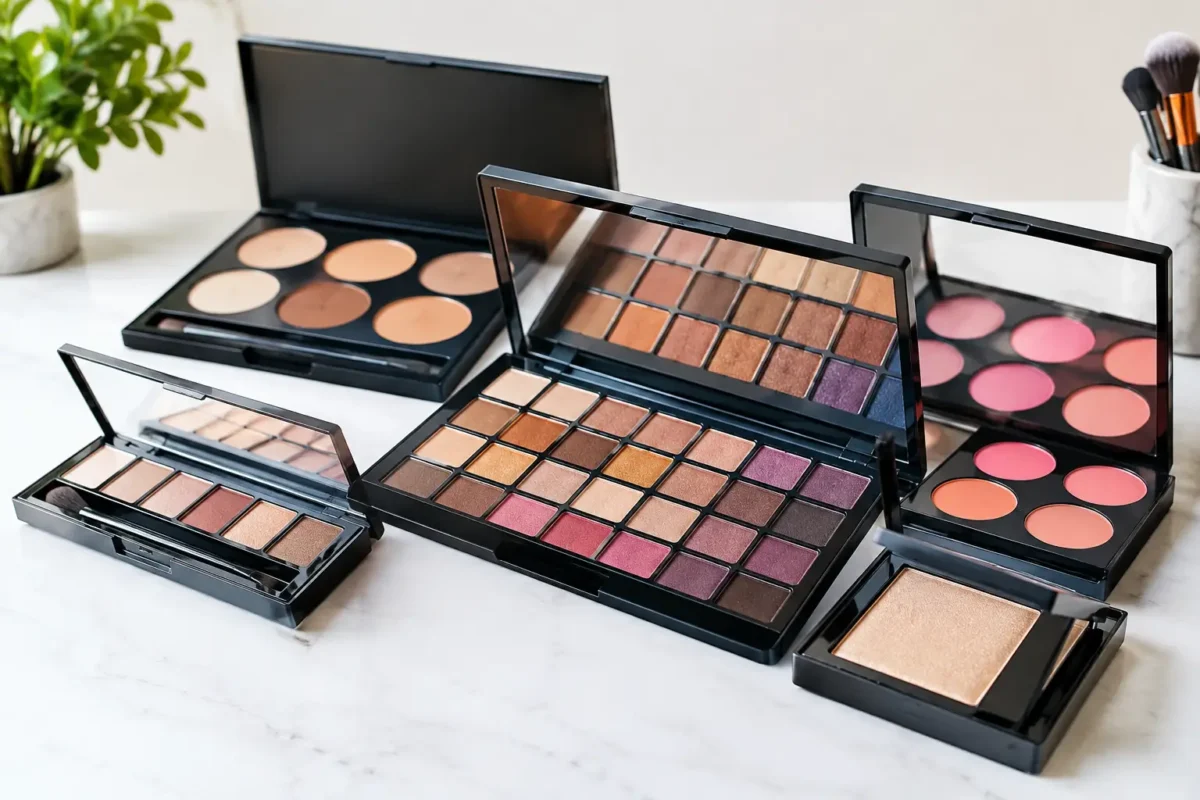
Product mix is just as important. A pallet made up entirely of one slow-moving shade or discontinued complexion product can tie up cash. A healthier assortment may include makeup, skincare, hair care, tools, brushes, lashes, bath products, and beauty accessories. Variety allows you to build bundles, create price points for different shoppers, and move lower-value units alongside higher-demand products.
Choose Inventory Condition Before You Compare Prices
Liquidation cosmetics are commonly sold as overstock, shelf pulls, customer returns, or mixed-condition merchandise. Each source can support a different resale strategy.
Overstock is often the cleanest option. It may include new, unopened merchandise that retailers or manufacturers need to move because of packaging changes, seasonal resets, excess production, or discontinued assortments. These lots can support online resale and premium discount retail, assuming packaging and dates are in order.
Shelf pulls may also be new but can show price stickers, store labels, minor packaging wear, or older packaging. They often work well in discount stores, market stalls, and bundle-based selling. The retail box may not look perfect, but the item can still deliver strong value to price-conscious customers.
Customer returns require more caution. Some returned cosmetics may be unused and sealed, while others may be opened, tested, missing components, or unsuitable for resale. Treat returned beauty merchandise as a separate buying decision, not as a bonus hidden inside an otherwise new pallet. Your available labor, sanitation policy, local regulations, and sales channel should guide the decision.
Mixed lots can produce attractive margins, but only when the price accounts for sorting time and unsellable units. If your business needs inventory ready for the sales floor this week, a clean overstock or shelf-pull pallet may be worth paying more for. If you have staff to inspect, sort, bundle, and liquidate lower-grade goods through the right channels, mixed-condition inventory may offer more upside.
Check Expiration, Packaging, and Product Safety
Cosmetics are not a category to buy blindly. Before purchasing, ask about date codes, expiration dates when applicable, seals, packaging condition, and the proportion of items that may be opened or used. Some products have a period-after-opening symbol rather than a printed expiration date, but that does not make condition irrelevant.
Pay close attention to skincare, sunscreen, acne treatments, eye products, liquid makeup, lip products, fragrance, and products with active ingredients. These items can have tighter resale standards than sealed brushes, cosmetic bags, mirrors, or beauty accessories. If you cannot verify a product is appropriate for resale, build its value into your purchase as zero rather than assuming it will recover costs.
Packaging tells a commercial story. Crushed outer boxes may be acceptable in a bargain-bin setting, but they can create returns and negative feedback in an online store. Products with broken seals, leaks, missing labels, or visible use should be removed from regular resale inventory. Protecting customer trust is worth more than squeezing a few dollars out of questionable units.
Calculate Landed Cost, Not Just Pallet Cost
The purchase price is only the first number. Your actual investment includes freight, unloading, sorting labor, storage, marketplace fees, packing materials, payment processing, and expected losses. Buyers who skip these costs often overestimate a pallet’s profit potential.
A simple way to evaluate a cosmetics pallet is to estimate conservative recovery. Start with the realistic resale value of the sellable inventory, not the stated retail value. Then reduce that number for damaged packaging, slow sellers, duplicates, missing components, and products that cannot be listed on your preferred channel. Compare the result with your complete landed cost.
For example, a pallet with a listed retail value of $8,000 is not automatically an $8,000 opportunity. Depending on brand demand, condition, sales channel, and discounting strategy, your realistic recovery may be a fraction of retail. The key question is not, “How much retail value is on the pallet?” It is, “How much cash can my business recover after expenses, within a reasonable timeframe?”
Freight changes the math quickly, especially for one-pallet orders traveling long distances. Get a quote before treating the lot as a deal. American Prime Pallet Liquidators LLC uses a quote-driven process that helps buyers account for logistics before moving forward, which is essential when inventory margins depend on delivered cost.
How to Match Cosmetics Pallets to Your Sales Channel
The best buying choice depends on how you sell. Online sellers often need sealed products, accurate listings, clean packaging, and enough SKU consistency to create efficient listings. A pallet full of one-off items can still work, but it takes more photography, research, and listing time.
Discount retailers and flea market sellers can often monetize packaging wear and mixed assortments more effectively. Shoppers in these channels respond to recognizable brands and clear value. Organize makeup by category, use straightforward price points, and bundle smaller items such as lip products, masks, nail items, or accessories to lift average order value.
Live sellers can benefit from variety, surprise bags, and branded bundles, but should inspect every item before presenting it. A surprise for the buyer should be fun, not a damaged or unusable product. For store operators, cosmetics also create cross-selling opportunities with personal care, hair accessories, mirrors, travel bags, and seasonal gift items.
Questions to Ask Before Buying Cosmetics Liquidation
Before you place an order, get direct answers on the details that affect resale. Ask whether the load is manifested, whether it is overstock, shelf pulls, returns, or a mix, and whether the merchandise is sold as-is. Confirm the pallet dimensions, total weight, pickup or delivery options, and whether a loading dock or liftgate is needed.
You should also ask whether the lot includes testers, opened merchandise, expired or short-dated goods, hazmat-restricted products, fragrance, or products with damaged seals. If photos are available, study the actual pallet rather than relying only on representative category images. Look for carton condition, visible labels, assortment depth, and signs that goods have been heavily handled.
Finally, know your non-negotiables before requesting a quote. You may only want new, sealed skincare. You may accept shelf-pull makeup but not returns. You may have a maximum delivered cost or need enough product volume for a retail reset. Clear standards help a supplier recommend inventory that fits your operation instead of pushing you toward a pallet that only looks inexpensive.
Build a Buying Process You Can Repeat
One successful pallet is useful. A repeatable sourcing process is what grows a resale business. Track every cosmetics load by purchase price, freight, condition, unit count, sell-through rate, average selling price, and unsellable percentage. After several purchases, you will know which brands, categories, and condition grades perform best in your market.
Start with an order size your team can inspect and move quickly. Sort products immediately into ready-to-sell, bundle, clearance, and non-resellable groups. Fast sorting protects your working capital and keeps the best inventory from sitting in unopened cartons while demand cools.
The right cosmetics pallet is not the one with the biggest advertised retail number. It is the one your business can inspect, price, ship, and sell with confidence – leaving enough room for a real margin after every cost is counted.
