No products in the cart.
Blog
Best Shoes for Resellers: What Sells in Bulk
07
Aug
Aug
A shoe pallet can look profitable before it ever reaches your warehouse. The real question is whether the pairs inside will move fast enough to recover your purchase price, freight, labor, marketplace fees, and storage. The best shoes for resellers are not always the most expensive-looking pairs. They are the shoes with reliable demand, recognizable value, manageable condition risk, and price points that fit your selling channel.
For a flea market vendor, a steady mix of affordable everyday footwear may outperform a small quantity of premium fashion shoes. For an online seller, branded athletic shoes and boots may create stronger returns if authentication, photos, and shipping are handled correctly. The right inventory depends on how and where you sell, but the buying principles stay the same.
What Makes Shoes Profitable for Resale?
Shoes are a strong liquidation category because consumers buy them year-round, styles serve many age groups, and retail pricing leaves room for resale margin. Overstock, shelf pulls, and customer returns can put recognizable brands and current styles into bulk inventory at a fraction of retail cost.
That opportunity comes with a practical warning: shoes are condition-sensitive. A missing box may be acceptable for a discount store but can reduce online value. A customer return with light sole wear may still sell well locally, while a pair with odor, damage, mismatched sizes, or missing mates can become dead inventory. Good shoe buying is less about chasing a brand name and more about evaluating the full lot.
Start with your all-in cost per sellable pair. Divide the pallet cost, freight, unloading, supplies, labor, and expected unsellable units by the number of pairs you believe you can sell. That number tells you whether your planned retail price leaves enough room for profit.
Best Shoes for Resellers by Category
Athletic and Running Shoes
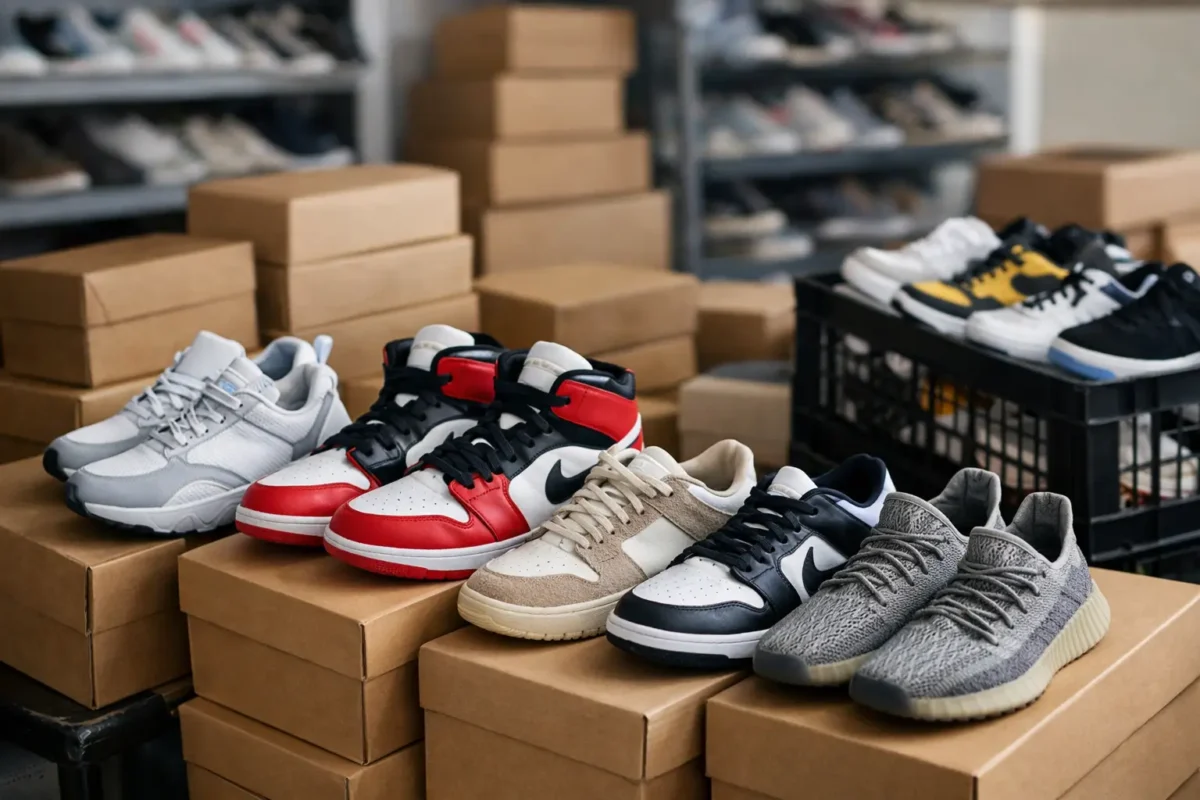
Athletic footwear is often one of the most dependable categories for resellers. Demand crosses age groups, buyers frequently replace worn pairs, and familiar brands are easy for customers to recognize. Running shoes, training shoes, basketball styles, cleats, and casual sneakers can all perform well when condition is clean and sizing is balanced.
This category is especially useful for online marketplaces because shoppers commonly search by brand, model, size, color, and sport. However, high-demand sneakers also create more risk. Counterfeit concerns, heavily worn returns, and outdated performance models can affect value. Inspect labels, soles, insoles, and overall construction carefully before listing premium pairs.
Work Boots and Durable Footwear
Work boots, safety shoes, hiking boots, and outdoor footwear can bring strong resale value because they solve a practical need. Buyers often care more about durability, fit, and brand reputation than having the original box. These products can sell well through local stores, flea markets, workwear sellers, and online channels.
Seasonality matters. Work boots have demand throughout the year, while hiking and insulated styles typically gain traction before fall and winter. Look for pairs with intact soles, functioning laces or closures, clean interiors, and no obvious separation around the toe or heel. A boot with cosmetic box damage is one thing. A boot with cracked material or failed glue is another.
Everyday Casual Shoes
Casual shoes are not always the highest-ticket inventory, but they can create dependable turnover. Slip-ons, canvas shoes, flats, loafers, casual sneakers, sandals, and comfort footwear appeal to a broad buyer base. They are often easier to sell in a physical discount setting because shoppers can try them on immediately.
This category works best when the pallet has variety without becoming too random. A mix of common sizes, wearable colors, and recognizable labels gives you more ways to merchandise the inventory. Avoid paying premium pricing for pallets dominated by highly seasonal designs, narrow fashion trends, or unusual sizes unless your customer base specifically supports them.
Kids’ Shoes
Kids’ footwear can be an efficient category for budget-focused shoppers. Children outgrow shoes quickly, so parents often look for value on sneakers, school shoes, sandals, boots, and athletic cleats. A pallet with clean, new-with-tags kids’ shoes can be a good fit for pop-up sellers, discount retailers, and local online pickup.
The trade-off is lower average selling price per pair. To make the category work, you need volume, organized sizing, and fast turnover. Bundling by size range, season, or use case can help move inventory without spending too much time on individual listings.
Sandals, Slides, and Seasonal Footwear
Sandals, slides, water shoes, rain boots, slippers, and winter boots can produce excellent returns when purchased and sold at the right time. Buying summer footwear before warm weather gives you time to sort and stock it before demand peaks. The same applies to boots before colder months.
Do not let seasonal opportunity turn into overbuying. A large sandal pallet purchased late in the season may tie up capital until next year. If you have a year-round storefront or enough storage, that may be acceptable. If cash flow is tight, prioritize categories you can turn quickly.
Choose Condition Before You Choose a Brand
A recognizable brand helps attract buyers, but condition determines whether the pair is worth your time. When reviewing shoe liquidation inventory, ask how the lot is categorized: new, shelf pull, overstock, customer return, salvage, or mixed condition. Those terms affect your pricing strategy and the level of sorting required.
New and shelf-pull shoes generally offer the easiest path to resale. They may have damaged boxes, stickers, minor handling marks, or discontinued packaging, but the footwear itself is typically ready for sale. Customer returns can create more margin opportunity, although they require inspection and may include tried-on or lightly worn pairs. Salvage lots can work for repair shops, parts buyers, or experienced operators, but they are not the best starting point for a new reseller.
A mixed-condition pallet is not automatically a bad buy. It simply requires realistic expectations. Build a sorting system as soon as the shipment arrives: retail-ready, open box, lightly worn, repairable, and unsellable. Fast sorting protects your time and prevents poor-condition pairs from being listed as better inventory than they are.
Buy for Your Sales Channel
The same pallet can be profitable for one business and a poor fit for another. Local discount stores and flea market sellers can move open-box shoes, mixed brands, and lower-priced styles quickly because customers can inspect the product in person. E-commerce sellers may earn more per pair, but they need accurate measurements, detailed condition notes, clear photos, and a process for returns.
If you sell online, prioritize inventory with searchable details: known brands, readable model numbers, current styles, and consistent sizing. If you sell from a physical location, prioritize broad assortments and price points that encourage multi-pair purchases. Store owners should also consider merchandising space. Shoes take up more room than many liquidation categories, especially when boxes are included.
For buyers building a larger operation, full pallets and truckload opportunities can reduce the cost per unit, but only when receiving capacity and sales volume are already in place. Low unit cost does not help if inventory sits for months.
Questions to Ask Before Buying a Shoe Pallet
Before committing to a bulk shoe purchase, get clear on the lot’s condition, estimated pair count, brand mix, size range, and whether the inventory is manifested or unmanifested. Ask whether boxes are included, whether pairs are matched, and how the freight quote is calculated. These details directly affect your labor cost and expected resale value.
Also consider the percentage of inventory that may be unsellable. No liquidation buyer should expect every unit to be perfect, particularly in return merchandise. A conservative estimate protects your margin better than assuming a pallet will perform like brand-new retail inventory.
American Prime Pallet Liquidators LLC helps business buyers source bulk merchandise with the practical details needed to make informed purchasing decisions, including inventory type and freight coordination. That matters when footwear is only one part of a broader resale operation and cash flow must stay moving.
Build a Shoe Inventory That Turns
The strongest shoe inventory usually combines dependable basics with selective higher-value pairs. Everyday sneakers, work boots, kids’ shoes, and seasonal footwear give you multiple price points and customer types. Premium athletic or fashion brands can improve margins, but they should not carry the entire purchase unless you have proven demand and a clear selling process.
Start with a lot size you can receive, sort, price, and sell within a reasonable window. Track what moves by category, size, brand, condition, and channel. After a few purchases, your own sales data will tell you more than any general trend report.
The best shoe pallet is not the one with the biggest retail value on paper. It is the one that fits your buyer base, arrives at a workable landed cost, and gives you enough clean, sellable pairs to keep profit moving through your business.
