No products in the cart.
Blog
How Do Amazon Return Pallets Work? A Buyer’s Guide
28
Oct
Oct
So, how do amazon return pallets work? Amazon and other retailers collect customer returns and overstock, group them onto pallets, and sell them in bulk to liquidators. Resellers then buy those pallets at a fraction of retail, sort the items, and resell them for profit.
How do Amazon return pallets work from start to finish?
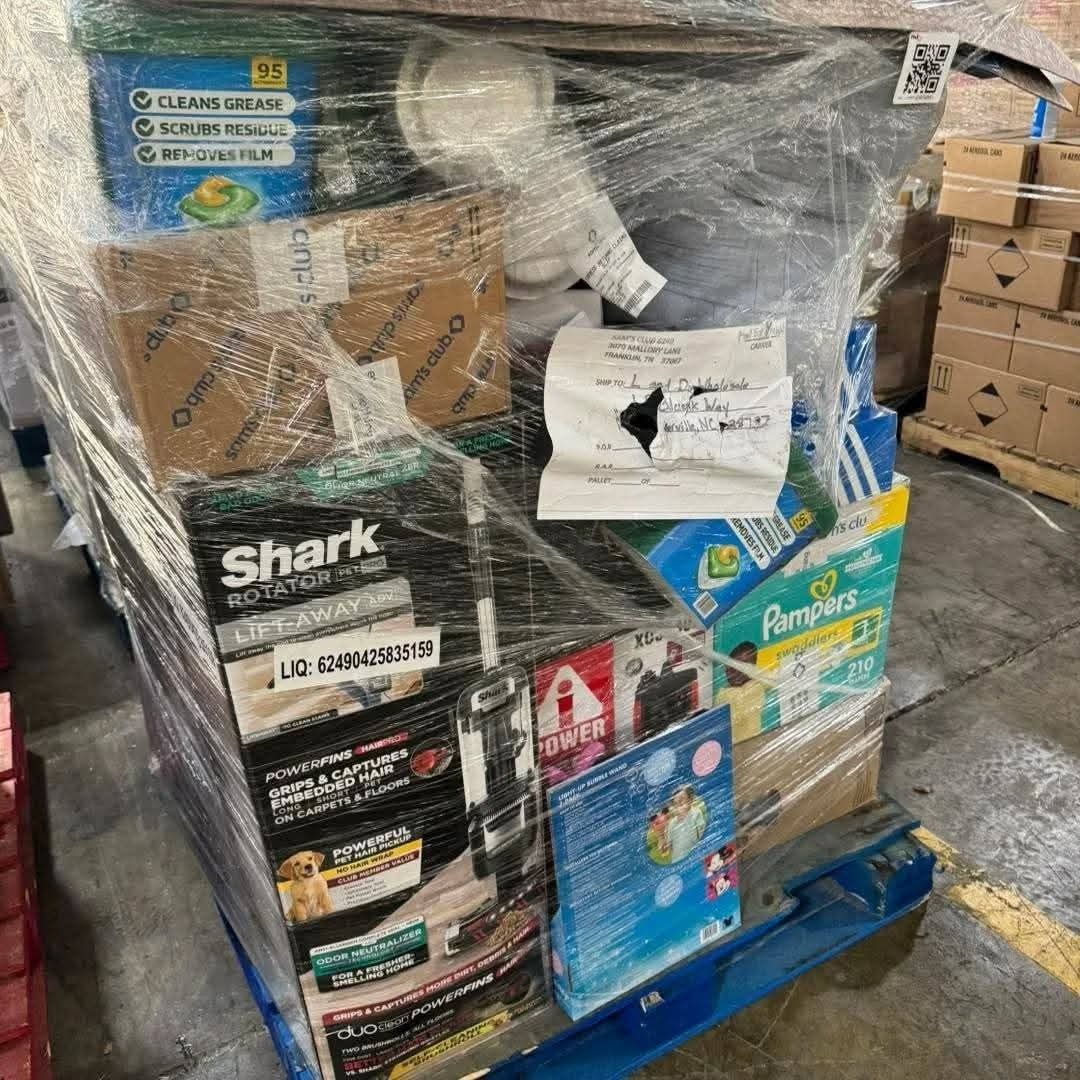
Every pallet starts with a returned or surplus item. A customer sends something back, or a seller ends up with extra stock. The retailer decides it is not worth restocking one by one, so it moves into the liquidation channel.
Here is the usual path:
- Items come back to a returns center or warehouse.
- Goods are grouped by category or left as general merchandise.
- Groups are stacked and wrapped on pallets.
- Pallets are sold in bulk to liquidation companies.
- Liquidators list them for resellers, retailers, and online sellers.
- You buy a pallet, receive it, sort it, and resell the items.
The key idea is simple: you pay one low price for a mixed lot instead of paying retail for each item. Your profit depends on what is inside and how well you sell it.
What is actually inside an Amazon return pallet?
It depends on the pallet type. Contents vary from load to load, so no two pallets are the same. Common items include:
- Electronics and accessories
- Home goods and kitchen items
- Tools and hardware
- Toys and games
- Clothing and shoes
- Furniture and general merchandise
Condition varies too. You may find new, unopened items, open-box products, items with damaged packaging, and some units that are broken or missing parts. Most return pallets are sold as-is, so plan for a mix of sellable and unsellable goods.
If you want a deeper explanation of the category, read our guide on what Amazon liquidation pallets are.
Are return pallets, overstock, and shelf pulls the same thing?
No. Buyers often mix these up, and the difference affects your risk and your margin.
| Type | What it is | Typical condition | Risk level |
|---|---|---|---|
| Customer returns | Items sent back by shoppers | Mixed: new, open-box, damaged | Higher variation |
| Overstock | Surplus inventory never sold | Often new | Lower |
| Shelf pulls | Items removed from store shelves | Usually sellable, may have cosmetic wear | Moderate |
Returns can offer deep discounts but need more sorting and testing. Overstock tends to be cleaner but may cost more per item. For a closer look, see return pallets vs overstock and which one may pay more for your model.
How are Amazon return pallets priced?
Pallets are priced as a whole, not item by item. The price reflects the category, the expected mix of goods, and market demand. Prices change from pallet to pallet and over time, so always check the current listing.
For example, our shop has carried options such as a general merchandise pallet, a "Monster" pallet, and 100-box mystery pallets. Each is priced differently depending on what it contains.
What to weigh when you compare prices:
- Pallet price versus the retail value you can realistically recover
- Freight or shipping costs to reach you
- Time spent testing, cleaning, and listing items
- Fees from the platforms where you sell
- The share of items you expect to be unsellable
A low sticker price is not always a good deal. A fair price with a sellable mix beats a cheap pallet full of junk.
How do you choose the right pallet?
Start with what you already know how to sell. If you sell tools, a tool pallet fits better than a clothing pallet. If you run an online store, you may want categories that ship easily.
Use this checklist:
- Pick a category that matches your sales channel
- Decide how much mixed condition you can handle
- Set a budget that includes shipping and prep time
- Start with one pallet before ordering several
- Compare pallet types to truckloads if you plan to scale
Our article on how to evaluate return pallets for profit walks through the math. If you are weighing bigger volume, see Amazon pallets vs truckloads.
What do buyers do after the pallet arrives?
The work starts when the pallet lands. A simple routine helps:
- Inspect the pallet for shipping damage before signing.
- Unwrap and sort items by category and condition.
- Test electronics and check for missing parts.
- Clean and repackage items that need it.
- Price items by checking recent sold listings.
- List and ship, starting with your best sellers.
Many buyers sell through marketplaces, local resale, or their own online store. Others sell to local shoppers who search for terms like Amazon outlet or Amazon returns near me, since people often look for discounted goods close to home. Keep records of what you paid and what each item sells for so you can judge each pallet fairly.
What mistakes should you avoid?
- Buying without reading the description. Know the category and condition notes first.
- Ignoring shipping costs. Freight on heavy pallets can change your profit.
- Expecting every item to sell. Some units will be damaged or incomplete.
- Skipping testing. Selling untested electronics invites returns.
- Overbuying early. Learn your sell-through rate with one pallet.
- Chasing the lowest price. Quality of the mix matters more.
For reseller-specific advice, our customer returns pallet guide covers sorting and resale strategy in more detail.
FAQ
Are Amazon return pallets worth it?
They can be, if you buy at a fair price and sell the contents well. Results vary by pallet, so treat your first purchase as a test.
Can I see what is inside before I buy?
Usually you see the category and a description, not every item. Contents are mixed and vary from pallet to pallet.
Do Amazon return pallets come with working items?
Many items work and some do not. Most pallets are sold as-is, so expect a mix of new, open-box, and damaged goods.
Is buying pallets different from using Amazon FBA?
Yes. FBA is a program where sellers store and ship products through Amazon. Buying liquidation pallets means you purchase bulk inventory and then sell it through any channel you choose.
Where can I buy liquidation pallets?
You can buy from liquidation companies that source from major retailers. Check each seller’s terms, condition notes, and shipping details first.
Ready to buy your first pallet?
American Prime Pallet Liquidators LLC is a wholesale pallet supplier based in Houston, Texas. We sell liquidation pallets, overstock, customer returns, shelf pulls, and truckloads sourced from major U.S. retailers. We serve resellers, retailers, and online sellers across the United States and internationally.
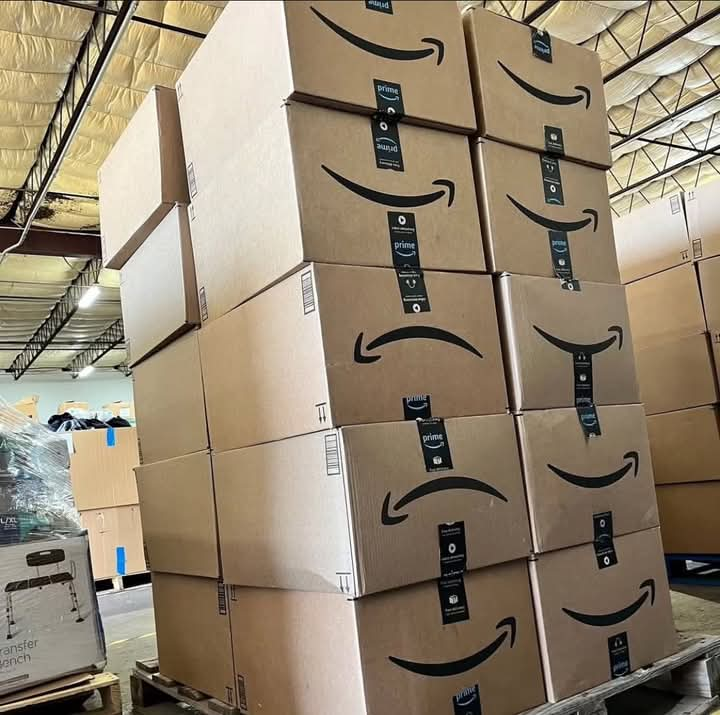
Your next step: browse our Amazon pallet page to see what is available now, or visit the shop to compare options and prices.
